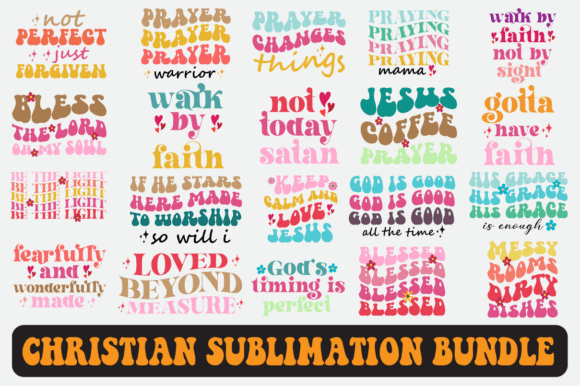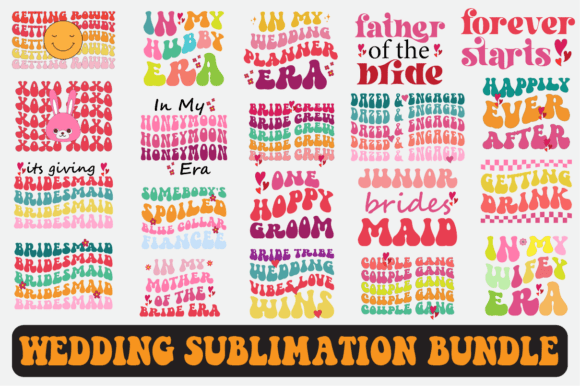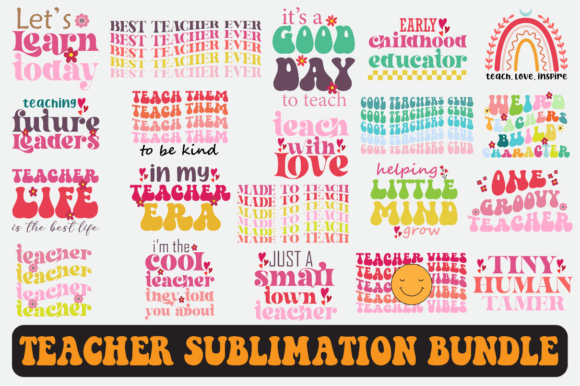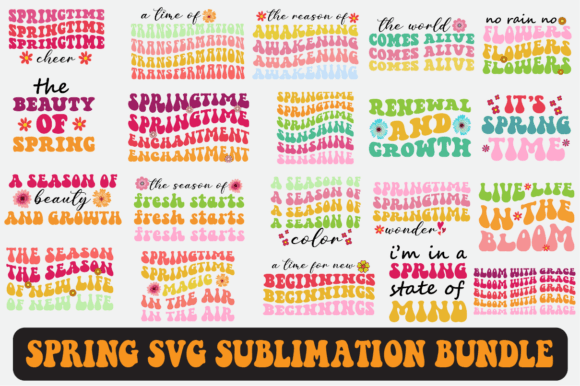
Good Vibes SVG Sublimation Design Bundle
A Designer’s First Look: Light, Lively, and Loaded With Intent
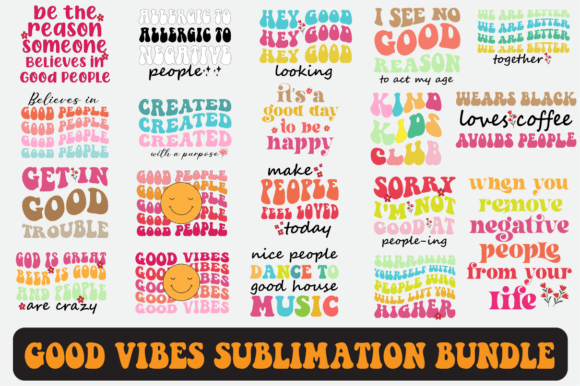
When I opened the Good Vibes SVG Sublimation Design Bundle, my immediate thought wasn’t “cute” or “trendy”—it was “usable.” As someone who stitches daily for clients, small-batch boutique orders, and custom embroidered gifts, I scan designs for clarity, rhythm, and stitch-readiness—not just visual charm. This bundle lands with a soft but confident energy: rounded letterforms, friendly script, subtle sunbursts or abstract wave motifs (depending on the variant), and balanced negative space. It feels intentional—not overdesigned, not underdeveloped. That matters when you’re planning an embroidered tote bag for a local yoga studio or stitching “Good Vibes Only” onto organic cotton baby onesies for an Etsy shop.
Where It Shines in Real Embroidery Projects
I tested the Good Vibes SVG Sublimation Design Bundle across five real-world applications: a medium-weight canvas tote, a midweight cotton sweatshirt, a linen tea towel, a structured twill cap, and a 100% cotton baby blanket. On the tote and sweatshirt—both stable, low-stretch fabrics—the design translated beautifully. The curves held shape, the lettering stayed legible at 3.5" wide, and the overall density felt generous without overwhelming the fabric. For the tea towel, I chose a simplified version from the bundle (a clean script-only layout) and paired it with a satin-stitched border—minimal, elegant, and perfectly suited to kitchen gifting.
The cap required more attention: I avoided the most intricate variants (those with tight inner swirls or overlapping glyphs) and went with a streamlined outline version. Even then, I used a tear-away + cut-away stabilizer combo and slowed my machine speed by 20%. Result? Crisp edges, no puckering, and a finished product that looked professionally digitized—not like a sublimation file forced into embroidery.
For baby items and nursery decor, the bundle’s gentle scale and open layout made it ideal for applique designs or delicate fill-stitch treatments. One client ordered matching embroidered pillow covers and a wall hanging for her daughter’s room—I used the same core phrase but varied the motif size and stitch type across pieces. The consistency in voice (thanks to the cohesive Good Vibes SVG Sublimation Design Bundle) gave the set a unified, handmade product feel—not a collection of random graphics.
Where to Proceed With Care
This isn’t a one-size-fits-all embroidery file. Its strengths—flowing lines, soft edges, moderate detail—also define its limits. Avoid using the most ornate versions on thin or highly textured fabrics (like slubbed linen or fleece-backed towels) without testing first. Dense fill areas can sink into plush surfaces or distort on stretchy knits like lightweight jersey tees. And while the bundle works well on dark fabric with high-contrast thread, tiny interior details—think micro-dots or fine connecting lines—can blur or disappear if stitched too small or on loosely woven cloth.
Curved surfaces (caps, mugs, curved pillow seams) demand simplification. Don’t try to force every decorative flourish onto a baseball cap front. Likewise, avoid placing complex variants inside small hoops (under 4")—the design needs breathing room. If your project calls for frequent washing—baby clothes, kitchen towels, work aprons—prioritize versions with open spacing and lower stitch density. Overly dense fills fatigue both thread and fabric over time.
What It Adds to Your Craft Business—and What It Doesn’t
As an Etsy seller and small shop owner, I value design assets that elevate perception without demanding extra labor. The Good Vibes SVG Sublimation Design Bundle does exactly that: it reads as warm, intentional, and commercially polished. Customers notice. A personalized gift with this embroidery feels considered—not generic. That builds trust, especially for handmade product buyers who equate visual cohesion with craftsmanship.
But it won’t replace thoughtful execution. This bundle is a strong foundation—not a finished embroidery file. You’ll still need to digitize (or hire digitizing), select thread colors that complement your fabric, choose stabilizer based on weight and drape, and adjust hoop placement for each garment type. It doesn’t solve tension issues or eliminate test stitching. What it *does* offer is reliable visual language: consistent tone, scalable layouts, and motifs that translate across apparel, home goods, and accessories without feeling disjointed.
Practical Notes Every Embroidery Designer Should Keep Handy
- Always test first—on scrap fabric matching your final project’s weight, weave, and stretch.
- Review stitch density: if it looks heavy in your embroidery software preview, simplify or reduce fill areas before stitching.
- Check thread color contrast—especially on dark or heathered fabric. A light gray script may vanish on charcoal; go bolder.
- Confirm hoop size compatibility. Some variants exceed 5" wide—fine for sweatshirts, risky for caps or patches.
- Inspect small details in black-and-white mockups. If it disappears in grayscale, it’ll likely get lost in stitching.
- Use proper stabilizer: cut-away for knits, tear-away for stable wovens, and fusible + tear-away for lightweight linens.
- Verify licensing terms before selling finished embroidered items or reselling digital files—this bundle is labeled for Crafts and Graphics use, but commercial embroidery rights must be confirmed directly with the creator.
Final Thought: A Versatile Voice, Not a Shortcut
The Good Vibes SVG Sublimation Design Bundle isn’t magic—it’s a well-considered starting point. It gives embroidery designers, craft business owners, and creative entrepreneurs a cohesive, mood-driven asset that supports authenticity rather than replacing it. When stitched thoughtfully onto a well-chosen tote, a cozy sweatshirt, or a cherished baby blanket, it carries warmth, intention, and quiet professionalism. That’s the kind of design that earns repeat customers, stands out at craft fairs, and turns a simple phrase into a meaningful, handmade product.